


Plant-based meat has become an emerging category that is growing rapidly in the Chinese market. Specifically, in the past 2020, the battle for plant-based meat in China was heating up because of international giants’ participation, dozens of investment and financing, as well as waves of new product releases.
We at ChemLinked will guide you through reviewing the Chinses plant-based meat market performance in 2020.
1. Substantial capital support
Plant-based meat was a hot cake in the investment sector in 2020. STARFIELD is a local plant-based meat company founded in 2019. It obtained three rounds of financing within seven months, becoming the highest-funded plant-based meat brand in China.
| Time | Company | Financing round | Investors |
| 2020.03 | STARFIELD | Angel | JOY Capital, MatrixPartners China, New Crop Capital, Dao Foods International |
| 2020.06 | Zhen Meat | Seed+ | Big Idea Ventures |
| 2020.07 | Vesta | Strategic | Xuerong Biotechnology |
| 2020.08 | STARFIELD | A | Sky9 Capital, JOY Capital, MatrixPartners China |
| 2020.08 | Hey Maet | Angel | Shuangta Food, UpHonest Capital, Tiantu Capital |
| 2020.09 | Green Monday | Strategic | The Rise Fund, Swire Pacific Limited |
| 2020.10 | STARFIELD | A+ | Lightspeed China Partners, Sky9 Capital, JOY Capital, MatrixPartners China |
| 2020.12 | Hey Maet | Pre-A | Welight Capital, Junsan Capital |
Substantial capital support represents investor’s confidence in the plant-based market prospects. The sudden outbreak of the COVID-19 pandemic and long-standing animal-borne diseases in humans have prompted consumers to rethink their approach to healthy eating. The concept of a low-fat and low-cholesterol diet is becoming increasingly popular, and consumers' demand for high-quality protein is surging. As the new generation of consumers pay more attention to diet structure and health and are more willing to accept new things, plant-based meat will be a new diet choice.
2. Catering industry took the lead
In 2020, large catering chains successively introduced plant-based meat menus, spanning from pasta to spring rolls, salads, pizza, burgers, and fried chicken nuggets.
In April
KFC launched plant-based golden chicken nuggets using high-quality soybean protein, wheat protein, and pea protein.
Starbucks collaborated with Beyond Meat (an American plant-based meat company) to launch five plant-based products, including beef pasta with green sauce, classic lasagne, American spicy sauce roll, Vietnamese Style Salad, and mushroom cereal bowl.
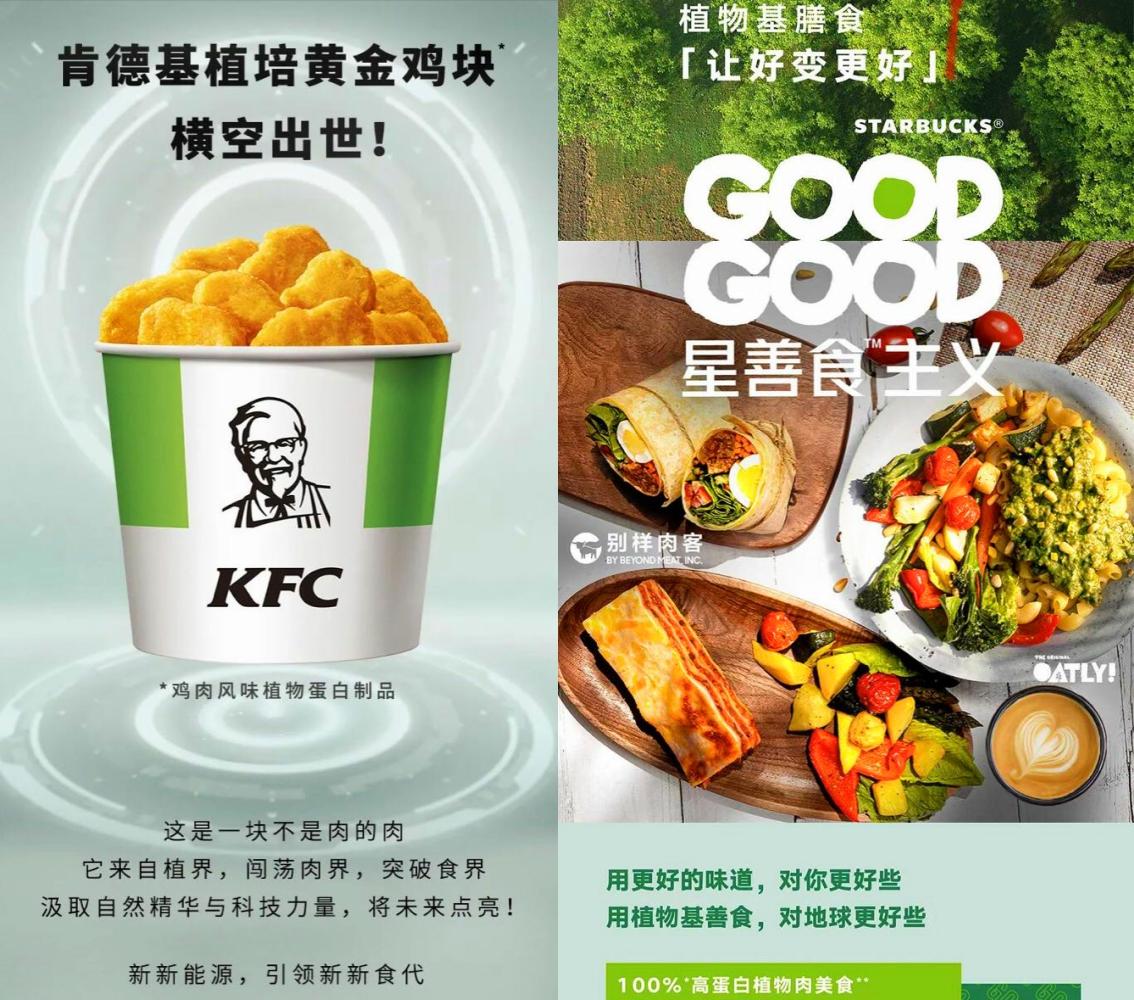 KFC and Starbucks' launched plant-based meat products in April, 2020. Photo source: InternetIn May
Chinese tea drink chain brand HEY TEA collaborated with STARFIELD to roll out the plant-based meat cheese burger.
In September
Canadian chain coffee brand Tim Hortons cooperated with STARFIELD to launch the "Farmer Roll" plant-based meat version.
In October
Chinese fast-food chain Dicos launched the plant-based chicken burger. The new burger highlights "Chinese style" because it uses typical Chinese ingredients such as rattan pepper and fresh bamboo shoots and chooses a Chinese plant-based meat supplier STARFIELD. The plant-based burger sold more than 100,000 pieces1 in its first five days of launch.
In December
Burger King launched the plant-based hamburger with Unilever's plant-based meat brand The Vegetarian Butcher.
Besides catering channels, plant-based meat products have already been available in convenience stores, new retail supermarkets, and e-commerce platforms. For example, Chinese fresh food new retailer Fresh Hema launched frozen plant-based meat patties from Beyond Meat and plant-based dumplings made by CP Group and STARFIELD.
FamilyMart also rolled out plant-based meals, including tomato sauce plant-based chicken chop omelet rice, cheese plant-based chicken chop pasta, plant-based chicken chop fried egg French sandwich, and plant-based fried chicken rice roll. Plant-based meat products are indeed getting closer to Chinese consumers.
3. International giants targeted the Chinese market
In 2020, international companies such as Unilever, Nestlé, and Cargill had embarked on the Chinese plant-based meat market.
In June, Cargill launched the plant-based meat brand PlantEver in China. The first batch of PlantEver plant-based meat includes plant-based chicken nuggets and plant-based beef patties.
In July, American plant-based meat company Beyond Meat officially entered the Chinese mainland retail market through Fresh Hema. Later, the company announced to develop production facilities in Zhejiang to produce "Beyond Meat" brand plant-based meat products in China.
In November, Swedish home furnishing brand IKEA debuted its first plant-based meatballs in China.
In December, Nestlé launched a plant-based food brand Harvest Gourmet into the Chinese market. The brand rolled out six products for the consumer market and four products for the professional catering market.
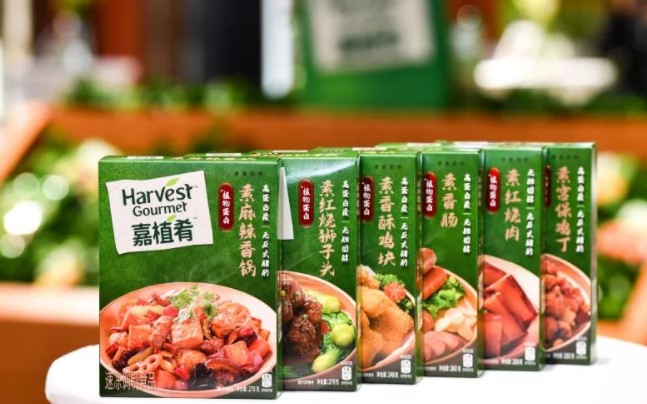 Nestlé's plant-based food brand Harvest Gourmet launched Chinese-style plant-based cuisines. Photo source: InternetAlso, in December, Unilever introduced the plant-based meat brand the Vegetarian Butcher into the Chinese mainland market.
With 1.4 billion populations, China is likely to be a major market for plant-based foods in the future, which is why it's enticing the big players. Multinational enterprises have strengths in research and development, industrial chain, and brand recognition and will expedite the Chinese plant-based market evolution and escalation.
4. Prominent localization trend
Last year, more diversified types of plant meat products appeared in China's plant meat market. In addition to the most common forms such as burgers, meatballs, and chicken nuggets, the trend towards Chinese-style is becoming prominent.
For example, PFI Foods launched the plant-based meat dumplings and spring rolls, available in mushroom and spicy flavors. Nestlé’s Harvest Gourmet also launched Chinese-style plant-based cuisines, such as the vegetarian crispy chicken nuggets and vegetarian Kung Pao chicken.
Under the localization trend, plant-based meat products start to have regional characteristics. For example, STARFIELD collaborated with Changsha-based snack brand Wenheyou (文和友) to launch the stinky tofu with plant-based meat balls. It also joined hands with Guangdong-based catering brand Honglicun (红荔村) to launch steamed vermicelli roll with rattan pepper plant-based sausage. The combination with regional snacks is conducive to building closer connection with local consumers and increasing plant-based meat’s popularity.
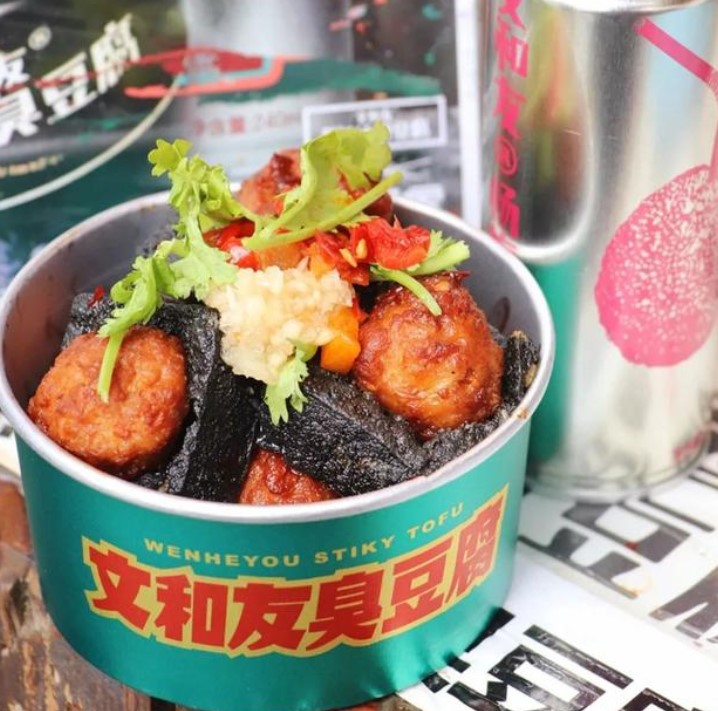 Changsha-based snack brand Wenheyou (文和友) launched the stinky tofu with plant-based meat balls. Photo source: InternetWe think the Chinese-style trend would continue to shape China's plant-based markets and drive consumer demand in 2021 and local enterprises can gain an edge over foreign companies by leveraging a better knowledge of Chinese tastes.
5. Healthy and low-fat are the primary purchasing drivers of Chinese consumers
According to CBNData2, more than 90% of Chinese consumers have heard of plant-based meat, and more consumers are showing purchase intentions, represented by highly educated, high-income groups, and Gen Z.
But ChemLinked noticed that compared with European and US consumers, who are likely to eat plant-based meat for sustainability or animal welfare reasons, Chinese consumers are mainly attracted by plant-based meat for healthy and low-fat reasons.
Besides, although China has always had a “vegetarian” tradition (e.g., bean products), it is difficult for them to accept and consume plant-based meat on a large scale in a short time. Currently, plant-based meat is just a novelty that people feel curious about, not a daily necessity. If consumers still have real meat to eat, they are not likely to spend more or the same price on consuming plant-based meat.