

As many brands know, China’s cosmetic market is alluring but challenging with too many changes. How to explore this market? How to figure out what Chinese consumers need and then satisfy them? How to develop a brand in this market? These are questions often make brands puzzled when they have plans to make presence in China market.
Who can answer these questions for brands? No doubt, consumers themselves.
The next question is how brands can reach their targeted consumers. The online community is definitely a good choice. An online community is a group of people who interact with each other on an online platform [1], such as Instagram, Facebook, and WeChat in China. Members in an online community usually share a similar interest. ChemLinked interviewed Zhao Guoqing, the CEO of YAT (a professional skincare social media account owning one million fans). This brand has successfully built an active online community with members who care about cosmetics ingredients. It has used this community’s power to cooperate with beauty brands in marketing, sales channels, and even product R & D, getting good feedback. The CEO shared his experience in building an active community and using the power of this community.
There are three main points.
First, knowing your targeted consumers.
When a brand wants to build a community or choose a community to cooperate with, the brand needs to be clear about the kind of community and members they are targeting. Before Mr. Zhao started YAT, he noticed that the young and high-educated consumer group became the main consumption power in China. Besides, consumers now have multiple accesses to brand information through different media. Therefore, these consumers don’t buy simple brand stories on ads anymore. Instead, they love to explore the products by themselves, from products’ formula to ingredients. This group of people became YAT’s targeted consumers, and now YAT has a million members who are interested in cosmetic ingredients, and the number is still growing.
Second, knowing how to build a community, and more importantly, how to maintain its activity.
For a skincare brand, using quality products and services to attract consumers to join the community is definitely an excellent way to start a community. YAT used its professional cosmetic ingredient knowledge and customized skin testing services to attract the first group of fans.
However, the more difficult thing is to keep this community active. How to realize it? YAT provides an example:
- Keep sharing professional cosmetic ingredient knowledge in the community.
- Invite professional cosmetic research & development engineers and dermatologists to give online speeches in the community.
- Cooperate with other brands to provide sales discounts for members.
- Build a skintellectual (a nickname for people who are interested in cosmetic ingredients) test and membership rating system to train some members to be KOCs. The membership system has divided the whole community into seven levels, from standard members to post-doctors. Every member of the community can take lessons and tests about cosmetic ingredients. After passing one test, their level will rise, receiving a gift box and unlocking more rights in the community. Members in the highest level (Post-doctor) become KOCs (Key Opinion Customer) in the community, with rights to share knowledge, and govern the community with KOLs.
These actions, especially the membership rating system, persuade members to participate in community activities actively. As time goes by, when there are enough KOCs in the community, the community can even self-run effectively.
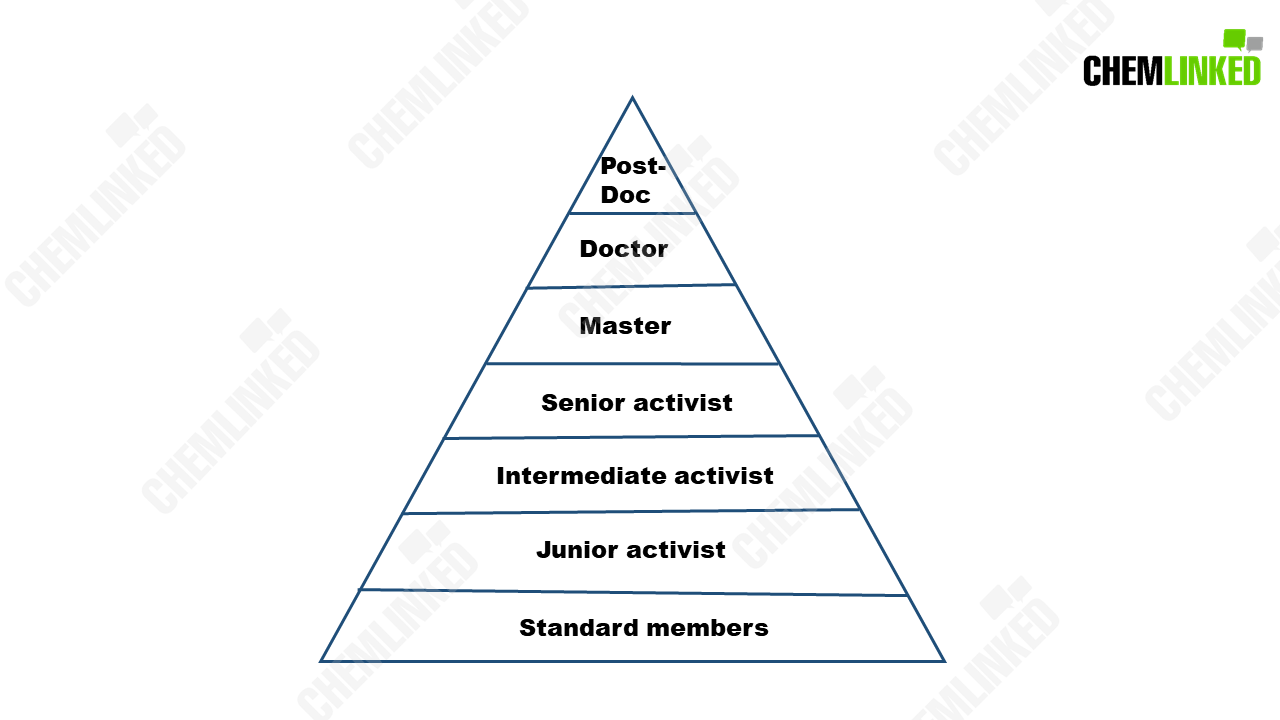 YAT’s Membership Rating System
Third, knowing how to use the power of a mature community.
The first advantage of an online community is to boost sales. The University of Michigan looked at the relationship between online communities and sales and found that customers spent 19% more after becoming a member of a brand’s online community [2]. Brands can directly communicate with their customers through the community, and thus engaging more with them. Frequent interactions between the both sides contribute to a harmonious connection and further translates to sales.
And brands can have a more accurate customer profile by conducting questionnaires in the community. YAT has conducted surveys covering more 170,000 consumers, which helped many brands better understand the market.
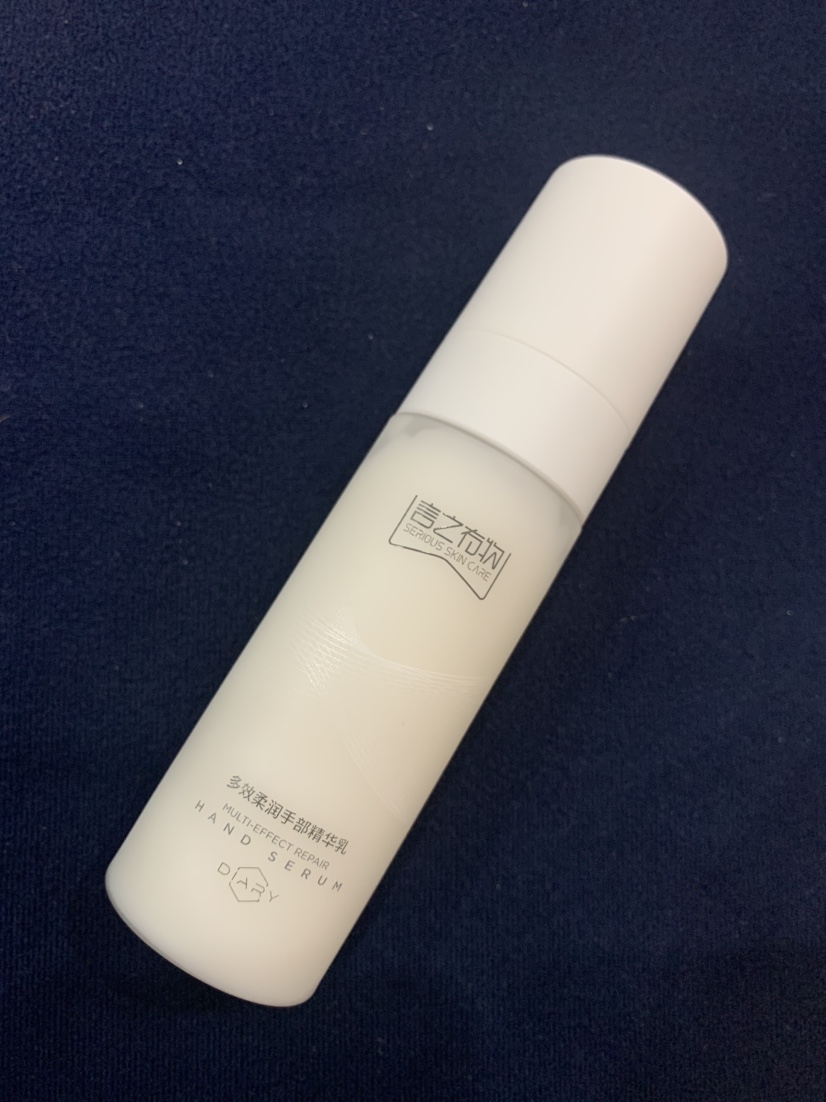
Also, an online community can lead to problem-oriented research and development. When brands find that a problem is mentioned many times in the community, they will seek to address it. For example, YAT noticed that many members mentioned their hands would leave marks on the keyboard after they used hand cream, and they felt uncomfortable with it. YAT immediately surveyed and found out it was a common problem. As a result, they launched a new hand cream product tailored to this specific issue and achieved brilliant sales performance.